












Every acquisition closes with a revenue thesis. The integration plan looks manageable on paper until day one, when operational reality arrives: different billing workflows, different coding conventions, different provider habits. Claims slow down. The CFO is fielding questions nobody can answer yet. The integration team is already behind.
The Visibility Gap Is Where Acquisition Value Goes to Die
Newly acquired practices arrive with billing workflows, coding conventions, and payer relationships that do not match DSO standards. Every week those do not align is a week of revenue the acquisition thesis assumed would already be flowing.
Without a consistent diagnostic baseline across locations, there is no way to know which providers are underperforming, which locations are leaving treatment on the table, and where the production upside actually lives. You cannot enforce consistent standards across 50-plus locations if you cannot see what is happening at each one.
The bigger risk is not chaos. It is the false sense that things are under control. Monthly reporting cycles surface problems in Q3 that started in week two. By the time the data arrives, the payback window has stretched, the board is asking questions, and the integration team is in catch-up mode.
What DSOs With Repeatable Integration Playbooks Do Differently
The difference is not team size or budget. It is timing. DSOs that protect deal economics measure production from day one, not from the first quarterly review. They get visibility in place before the first provider sees a patient under the new flag.
That is what Overjet Analytics does.
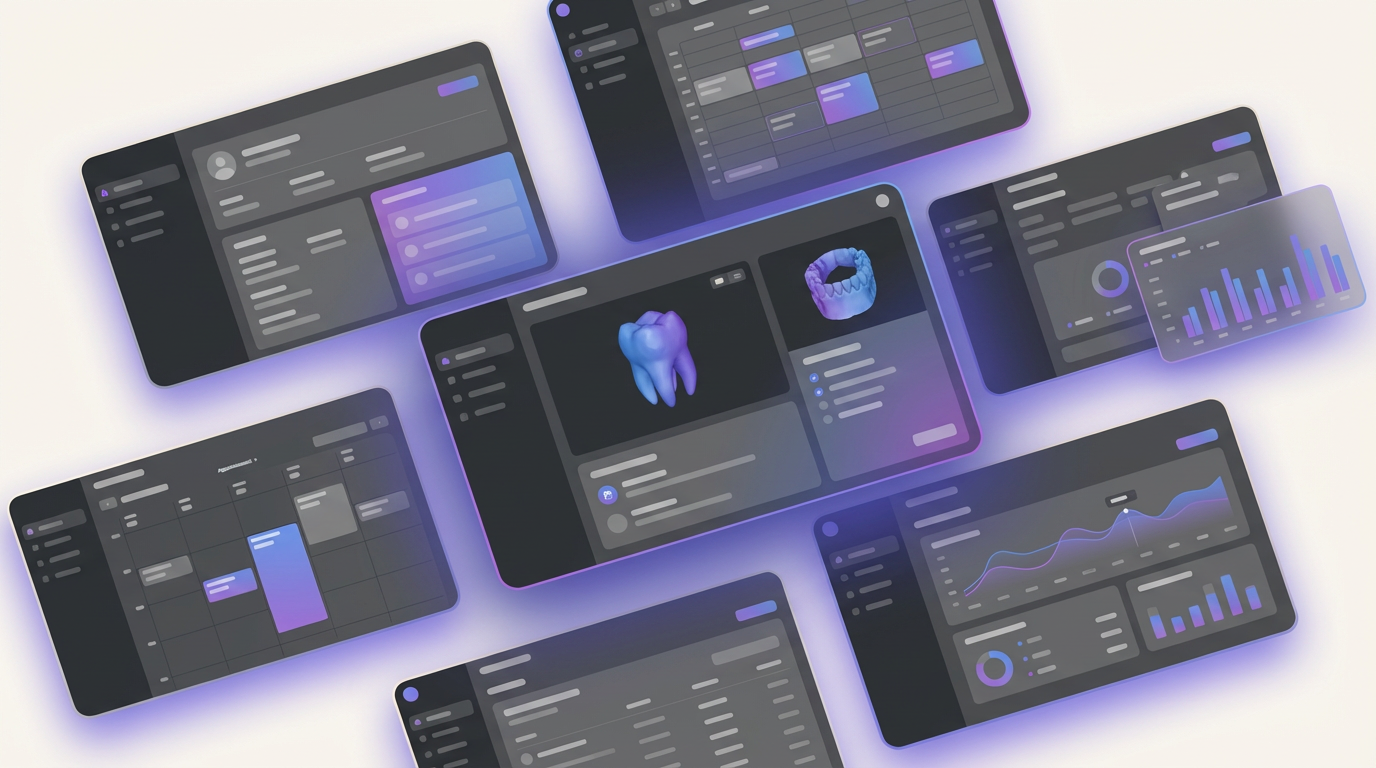
DSOs using Overjet get centralized clinical and operational dashboards that give leadership a single view of production, treatment acceptance, and diagnostic consistency across every location, including newly acquired ones, from the moment integration starts. It reads across whatever practice management system, imaging software, and billing workflow is already in place. Nothing gets replaced.
The Proof Is in the Integration Window
Providers who are not yet aligned to DSO documentation and diagnostic standards leave production on the table from day one. Centralized dashboards catch that immediately, before it turns into a quarterly reporting problem.
DSOs using Overjet see 25% higher case acceptance and $44,000 in additional care opportunities per month, with an average ROI of 18x per practice.
On billing reconciliation: 5x faster claims decisions mean revenue recognition accelerates, the CFO has answers, and the board conversation shifts from "when will this deal perform" to "here is what it is already producing."
A 3 to 5 location pilot lets the integration team measure results before any full commitment. Daily utilization tracking with same-day intervention when adoption drops gives the COO regional accountability data without extra headcount or manual reporting.
Get analytics in place at the start of integration and you compress the time between closing and actual performance. And when you can show a repeatable process for lifting production per practice across acquired locations, that data builds the case for the next acquisition, not just the current one.
Here's What CEOs Ask Us Most
How does a centralized analytics layer actually protect deal economics during an acquisition integration?
Centralized dashboards surface billing reconciliation delays, provider production variance, and diagnostic gaps at newly acquired locations before they become quarterly reporting problems. The earlier you can see where production is lagging, the more of the acquisition thesis you protect.
What does production per practice improvement actually look like in the first 90 to 180 days post-acquisition?
DSOs using Overjet see 25% higher case acceptance and $44,000 in additional care opportunities per month when newly acquired providers are measured against a consistent diagnostic standard from day one. The analytics layer surfaces production gaps before the quarterly review has to explain them.
How do we avoid this becoming another failed technology rollout during an already complex integration?
Overjet Analytics does not replace existing systems. It reads across the practice management system, imaging software, and billing workflow already in place. The integration team is not managing a platform-wide change event. They are running a 3 to 5 location pilot that generates measurable production data before any full deployment decision is made.
What does the implementation and rollout plan look like, and what does it require from our operations team?
The pilot is 3 to 5 locations, a 90-day measurement window, and daily utilization tracking with same-day intervention when adoption drops. Regional managers get accountability data without additional headcount or manual reporting.